Turning Dreams into Reality: Sita’s Journey from Migration Risks to a Safer Future
Submitted by the Lutheran World Federation Nepal
Creating Opportunities at Home to Reduce Unsafe Migration
Every year, hundreds of thousands of Nepalis leave their homes in search of employment abroad. Labour migration has become an important livelihood strategy, contributing significantly to household incomes and Nepal’s economy. Yet for many migrant workers—especially those from marginalized communities—the journey is filled with risks, including unethical recruitment, exploitation, trafficking, discrimination, debt, and limited access to justice. Women, Dalits, Indigenous Peoples, persons with disabilities, and other vulnerable groups often face even greater barriers to accessing reliable migration information and safe employment opportunities. Strengthening access to accurate information, ethical recruitment, and inclusive livelihood opportunities is therefore essential to promoting safe migration.
For many families living in Nepal’s southern plains, migration often feels like the only option.
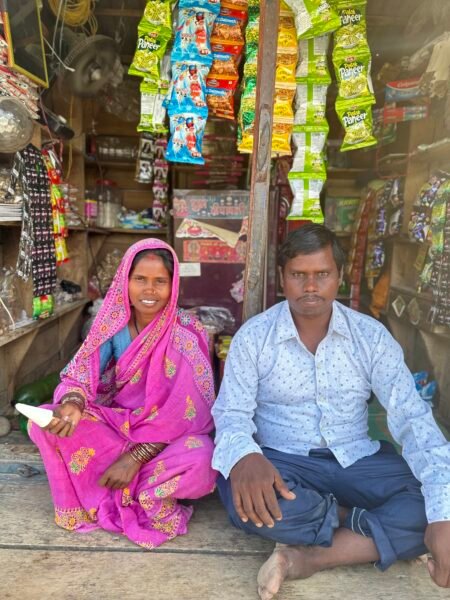
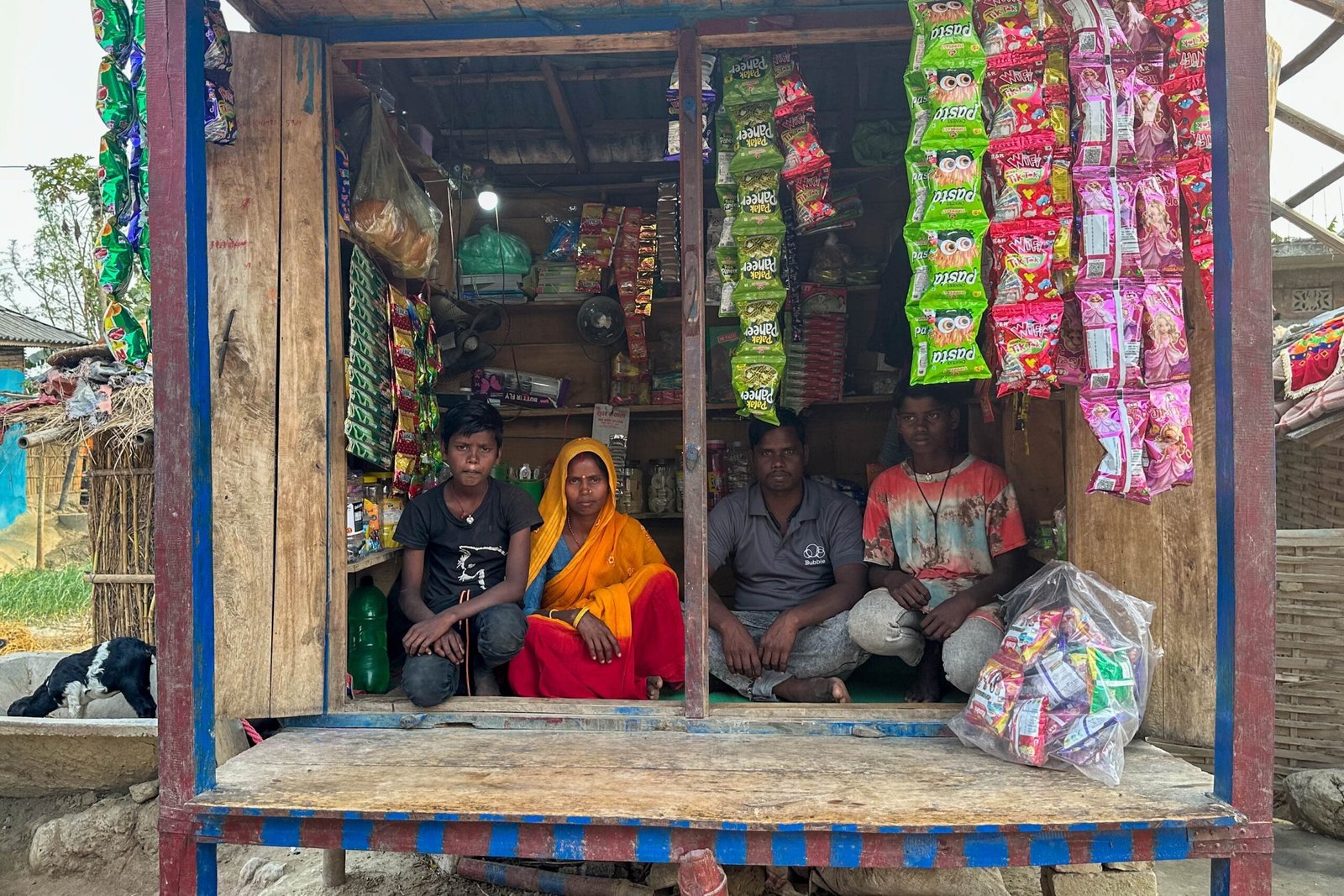
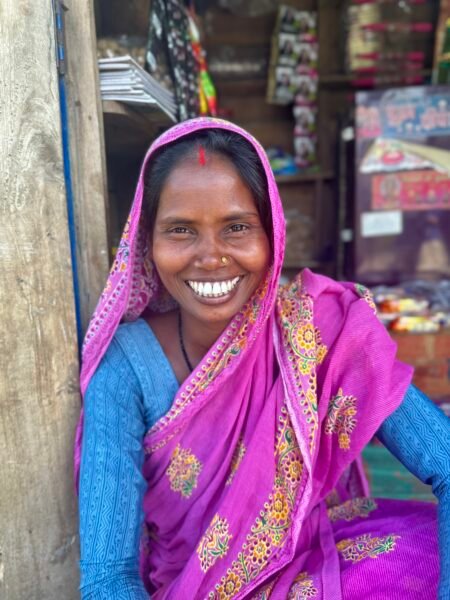
One such family is that of Sita Sada and her husband Maheshor, who live in a small village in Dhanusha District with their three children—a 16-year-old daughter, a 15-year-old son, and an 11-year-old son. Despite financial hardship, they have remained committed to keeping all three children in school, believing education is the key to breaking the cycle of poverty.
Like many men from Nepal’s marginalized Dalit Santhal community, Maheshor felt compelled to seek employment abroad.
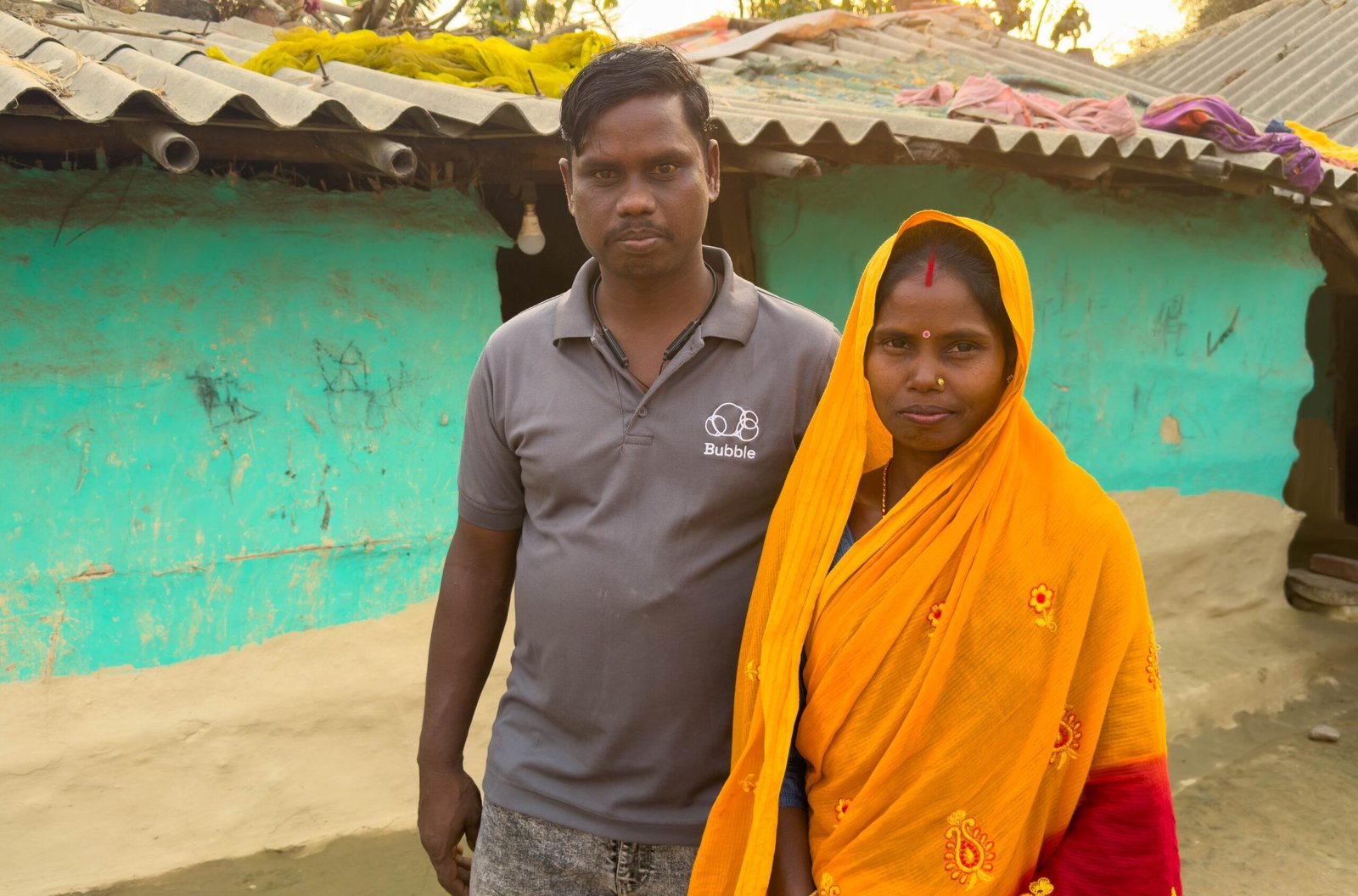
 “There are very few employment opportunities for people like us in Nepal.
Most of the men from our community migrate for foreign employment because we don’t have many choices,” he explains.
Over the years, Maheshor worked as a labourer in Saudi Arabia for eight years and later spent another two years working in India. Nepal’s open border with India has long enabled people to cross freely in search of work, making India an accessible destination for many low-income families. However, migration through informal channels often means workers travel without contracts, social protection, insurance, or knowledge of their labour rights, increasing their vulnerability to exploitation and abuse.
While Maheshor worked abroad, Sita remained at home, caring for the children and struggling to make ends meet. Whenever Maheshor returned, the family relied on physically demanding daily wage labour to survive.
The work was exhausting, irregular, and uncertain.
For Sita, it was also dangerous.
She was suffering from health problems, yet she continued working because the family had no alternative source of income.
“Doing heavy labour was affecting her health,” Maheshor recalls. “We knew we needed another way to earn a living.”
The family wanted something many migrant families dream of—not simply higher income, but the opportunity to stay together.
That opportunity came through livelihood support provided under the LWF Nepal’s project.
Sita and Maheshor received grocery items worth NPR 15,000 to establish a small roadside grocery shop in their village. Today, the shop operates from early morning until evening, serving local customers. To increase their earnings, Sita also prepares and sells hot meals during the evenings.
The small business has transformed their daily lives.
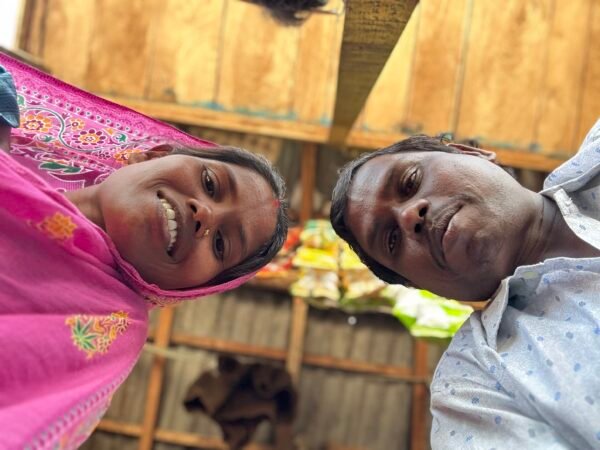
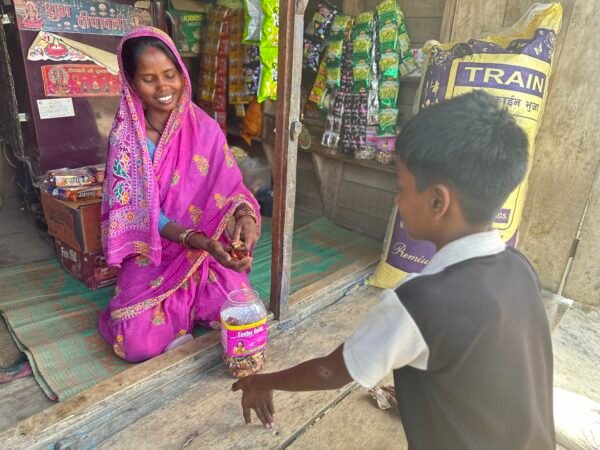 “Now we can stay together as a family and we no longer have to depend on hard labour every day. On a good day, we earn between NPR 1,000 and 1,500 in profit,” says Maheshor.
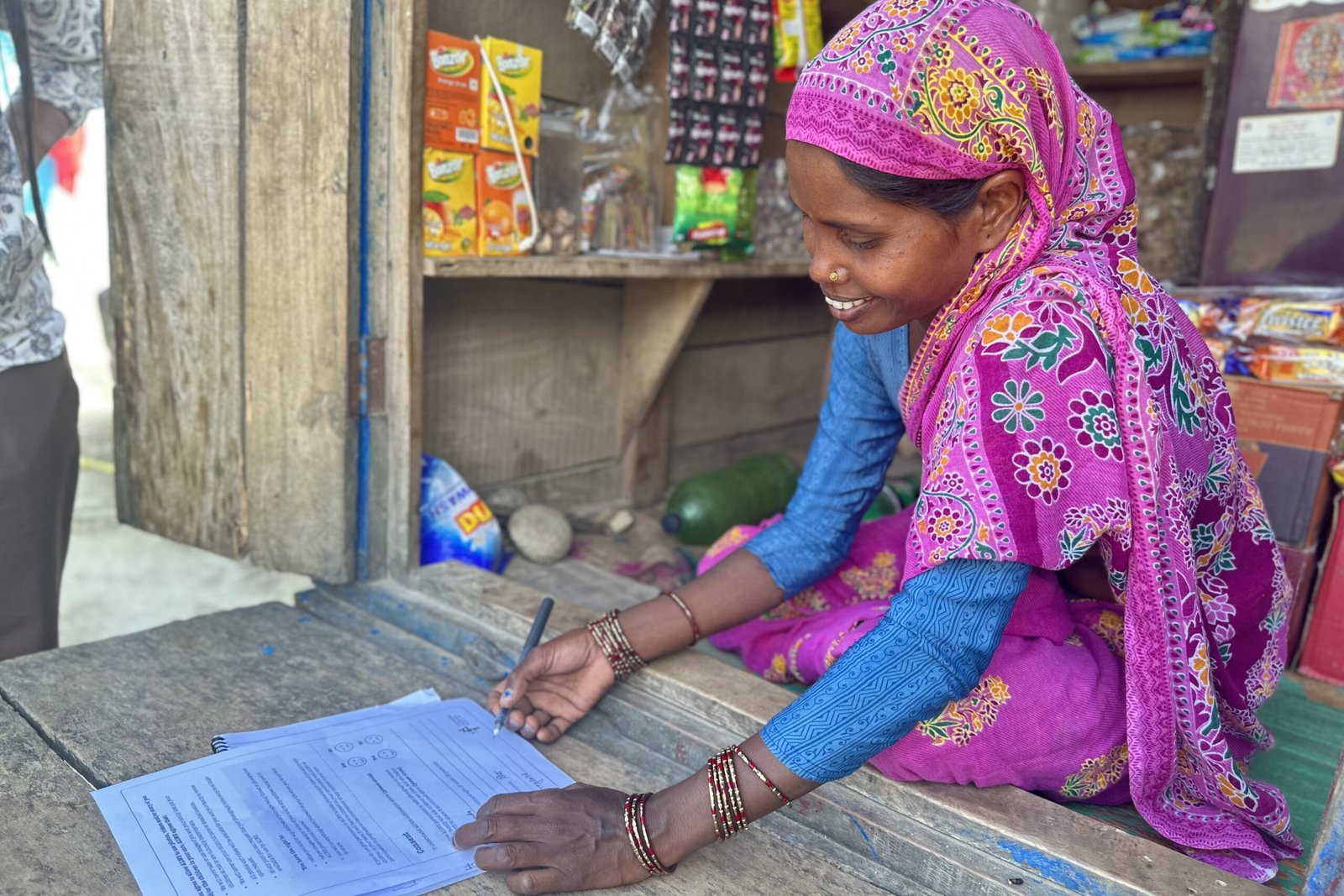
Beyond financial support, Sita also participated in literacy classes and training on savings and loans, health and hygiene, and human rights.
For her, these opportunities brought more than knowledge—they brought confidence.
“Before joining the training, I couldn’t even write my own name. Now I can read and write. I feel confident talking to people and managing our shop. Every woman should have access to this kind of training because it helps us become independent and support our families.”
The couple now hopes to expand their business, continue educating their children, and one day build a permanent home.
Their story demonstrates that promoting safe migration is not only about protecting people after they decide to migrate. It is also about creating informed choices and strengthening livelihoods so that migration becomes a choice rather than a necessity. Access to reliable information, skills development, financial literacy, and local economic opportunities can significantly reduce the pressures that often lead people to pursue unsafe or uninformed migration. These approaches align with efforts to promote ethical recruitment, improve access to trusted migration information, and amplify the voices of migrant workers and marginalized communities.
For families like Sita’s, the greatest achievement is not only earning a better income—it is having the opportunity to build a future together at home while making informed decisions about migration.
Every family deserves the chance to choose a safe, dignified, and hopeful future.
 For the past 2 years, LWF Nepal has been working in collaboration with the Asia Pacific Mission for Migrants (APMM) to promote safe, orderly, and informed labour migration through the You Are Not Alone initiative. By strengthening access to reliable migration information, amplifying migrant voices, and advocating for ethical recruitment and migrant rights, the partnership contributes to creating a safer migration environment for Nepali migrant workers and their families. Sita’s story reflects the broader importance of expanding safe livelihood options and informed choices that complement these ongoing efforts.