Beyond the Feed: Filipino Returned Migrants Continue Telling Stories that Matter
SANDIGAN (Samahan ng mga Domestic Helpers sa Gitnang Silangan, or the Association of Domestic Helpers in the Middle East) and AlterMidya organized their third community journalism with the support of the Asia Pacific Mission for Migrants (APMM) and World Association of Christian Communication as part of You Are Not Alone (YANA) project. It continued the series of basic community journalism workshops held in 2025 and brought back many of its previous participants to strengthen their skills they gained last year. The workshop brought together 10 returned migrants to build their skills in community journalism. It aims to ensure their stories not only answers the basic question of journalism such as what happened, but also amplifies the voices of the vulnerable and marginalized.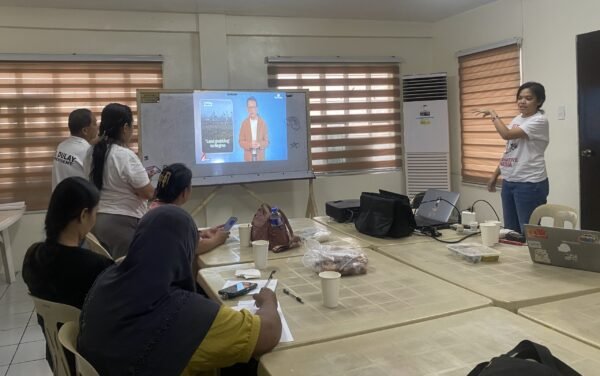
The workshop opened with a short presentation on the Sama-Sama, Sangha- Sangha website, a platform where migrants share their own stories. It also encouraged the participants to submit their stories, as well as other migrants, to the website. This gave them a real avenue to put what they were learning into practice and to help bring migrant experiences to a wider audience.
Linking migration to Pax Silica
Beyond producing migrant stories, SANDIGAN also wanted participants to understand Pax Silica, a US-led alliance to secure AI and semiconductor supply chains. An in-depth discussion on this was facilitated by Cathy Estavillo of AMIHAN – National Federation of Peasant Women. Under Pax Silica, mining and manufacturing for the supply chain can damage farmlands and water sources causing environmental harms that drive Filipinos to work abroad.
From discussion to practice
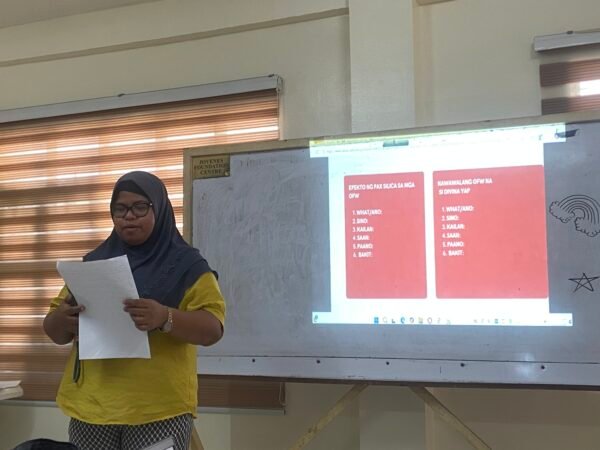
The Community Journalism workshop followed. AlterMidya recapped the discussion from the previous workshop last year and led the participants through writing exercises to strengthen their journalistic skills. The participants learned the ethics of journalism, including informed consent from interviewees, avoiding false or unverified claims, and understanding differences between influencers and journalists They also explored how ethical reporting builds public trust and protects the dignity of the people whose stories are told, especially when covering vulnerable communities.
Participants shared that the workshop improved their content creation skills, especially since some of them are building their own platforms as influencers and content creators, posting on Facebook and Tiktok. It also helped them write stories that matter to migrant communities. Lastly, they added that workshops like this empower them to tell stories that call for systemic change on migrant issues.
What’s next?
Written articles from the participants during the workshop will soon be published on the Sama-Sama, Sangha-Sangha website. Stay tuned!